
For years, the D2C playbook was simple:
Build a brand online → acquire customers digitally → scale without physical stores.
Now some of India’s most interesting consumer founders are quietly challenging that model.
Consider Minu Margeret, founder and CEO of BlissClub.
BlissClub started in 2020 as an online-first women’s activewear brand. It has now evolved into an omnichannel business with 40+ stores, expanded into menswear, and is growing revenue at more than 50% annually. (The Economic Times)
This week, BlissClub announced a ₹160 crore Series B, led by Singularity AMC, with existing investors Elevation Capital and Eight Roads Ventures also participating. Interestingly, Margeret and her partner Vidit Aatrey also put personal capital into the round. (BW Disrupt)
The interesting part isn’t the ₹160 crore.It’s where the money is going. More stores. New categories. Product development. Talent.
In other words: Physical distribution. That’s a fascinating reversal. The internet made it possible to build a consumer brand without owning retail.
But it didn’t make physical retail irrelevant. For categories where touch, fit, trial, trust and community matter, the store can become part of the product experience, not merely another sales channel.
And here’s the contrarian lesson for aspiring D2C founders:
Don’t ask, “Online or offline?”
Ask:
“What combination of channels makes my customer most likely to discover, trust, buy and buy again?”
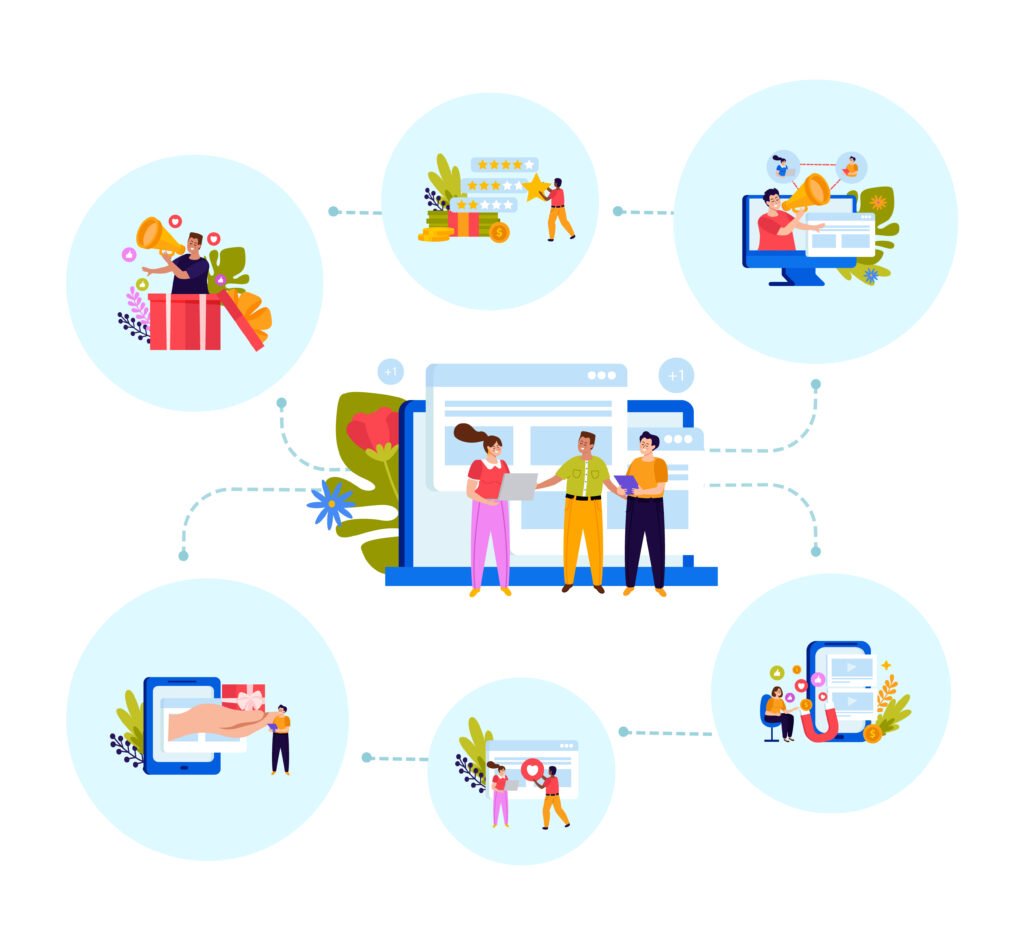
A store can generate an online order. An Instagram interaction can generate an offline visit. A physical trial can create digital repeat purchases. The channels aren’t competitors. They’re potentially one system.
That means an omnichannel strategy should not simply mean:
“We have a website and some stores.”
It should mean:
“Our customer can move between channels without feeling like they’re dealing with different companies.”
For founders, three practical questions follow:
1. Where does your customer need confidence?
If touching, trying, tasting, testing or talking matters, digital alone may be limiting you.
2. Where does your customer discover you?
Don’t assume the channel where discovery happens is the channel where conversion should happen.
3. What does each channel do uniquely well?
Online may win on assortment and convenience. Offline may win on trust and experience. Community may win on retention.
The real moat isn’t having multiple channels. It’s making them reinforce one another.
Question for founders:
If you were launching a D2C brand today with limited capital, would you stay digital-first—or deliberately build one small physical presence to accelerate trust and learning?
Have a perspective, founder story, or topic we should explore? Reply to help@founderhelpdesk.in.